Tracing Crypto Incentives Through Mobile Gaming's Live Dealer and High-Stakes Landscapes
Written by Tina Vogel · Aug 22, 2026

Tracing Crypto Incentives Through Mobile Gaming's Live Dealer and High-Stakes Landscapes
Digital gaming platforms have expanded their use of crypto-linked incentives as mobile technology continues to shape how rewards reach players across live dealer tables and high-stakes environments, with allocation systems relying on blockchain tracking and real-time data feeds that adjust bonuses based on play volume and session length.
Platform Mechanisms for Distributing Incentives
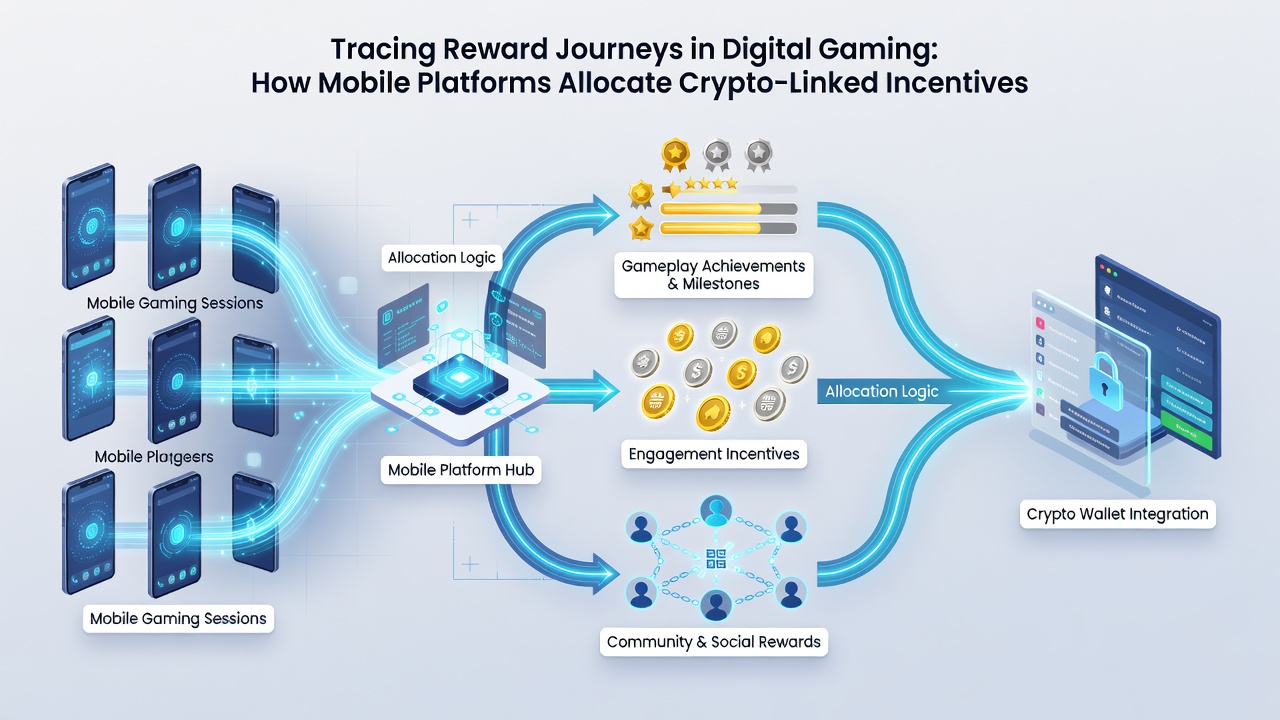
Mobile platforms integrate crypto wallets directly into their apps so that incentives such as deposit matches, cashback percentages, and loyalty points convert automatically into digital assets once certain thresholds are met, while developers employ algorithms that monitor activity across multiple game types to determine eligibility without manual intervention. Research from the American Gaming Association shows that these systems processed over 2.4 million crypto transactions in the first half of 2026 alone, highlighting the scale of automated distribution.
Allocation often follows tiered structures where initial rewards unlock after a set number of hands or spins, and subsequent tiers require higher cumulative stakes or longer consecutive sessions, yet the underlying code ensures that live dealer interactions receive the same tracking precision as automated slots because both feed into the same backend ledgers. Observers note that platforms update these rules periodically to align with regulatory shifts in different jurisdictions.
Live Dealer Formats and Crypto Tracking
Live dealer environments on mobile devices use integrated streaming technology paired with instant crypto settlement, which allows platforms to award incentives mid-session when players hit volume targets or maintain consistent betting patterns, and the process involves smart contracts that release tokens once predefined conditions are verified on the blockchain. Data from industry reports indicate that live dealer tables accounted for roughly 38 percent of all crypto-linked bonuses distributed through mobile channels during August 2026.
Because live games involve human dealers and variable pacing, platforms apply additional verification layers that confirm both the player's identity and the transaction history before releasing larger incentives, whereas smaller rewards trigger instantly upon completion of basic play requirements. This dual approach keeps the flow steady while maintaining compliance across regions that permit crypto use in gaming.
High-Stakes Environments and Reward Scaling
High-stakes formats receive proportionally larger crypto incentives because platforms scale rewards according to average bet size and session duration, with systems automatically calculating multipliers that can reach several times the base rate once players cross into designated VIP brackets. Figures from the Canadian Gaming Association reveal that high-stakes mobile users generated approximately 61 percent of total crypto reward volume in the twelve months ending August 2026, even though they represent a smaller share of overall active accounts.
Allocation in these segments frequently incorporates progressive elements where unclaimed tokens roll into future periods, and the mobile interface displays real-time progress bars that update after each hand or round, giving players continuous visibility into their standing without requiring separate account checks. Those who study platform data note that this visibility helps sustain engagement across extended high-stakes sessions.
Integration of Blockchain for Transparency
Blockchain ledgers provide the backbone for tracing every incentive from issuance to redemption, which enables platforms to demonstrate to regulators and players alike that rewards follow predetermined rules rather than arbitrary decisions, and external audits conducted by firms such as those affiliated with the International Association of Gaming Regulators confirm the integrity of these records on a quarterly basis. The result is a transparent trail that covers both live dealer and high-stakes activity within the same unified system.
Mobile apps pull this information into user dashboards that list each crypto credit alongside the specific game and stake level that triggered it, while backend analytics help operators refine future incentive structures based on aggregate patterns without exposing individual details. What's notable is how this level of detail has become standard across multiple operating regions since early 2025.
Conclusion
Mobile platforms continue to refine the pathways that connect crypto incentives to live dealer and high-stakes play through automated tracking, tiered structures, and blockchain verification, creating systems that scale rewards according to documented activity while maintaining regulatory alignment across jurisdictions. As of August 2026 these mechanisms handle millions of transactions monthly, with data from sources including the American Gaming Association and the Canadian Gaming Association showing steady growth in both participation and reward volume. The integration of real-time dashboards and smart contract releases ensures that allocation remains consistent whether players engage in live streamed tables or elevated stake environments, and industry reports suggest this infrastructure will support further expansion as mobile adoption increases.