Reward Layering in Crypto Mobile Live Gaming: A Closer Look at Access Protocols
Written by Blake Lorenz · Aug 13, 2026
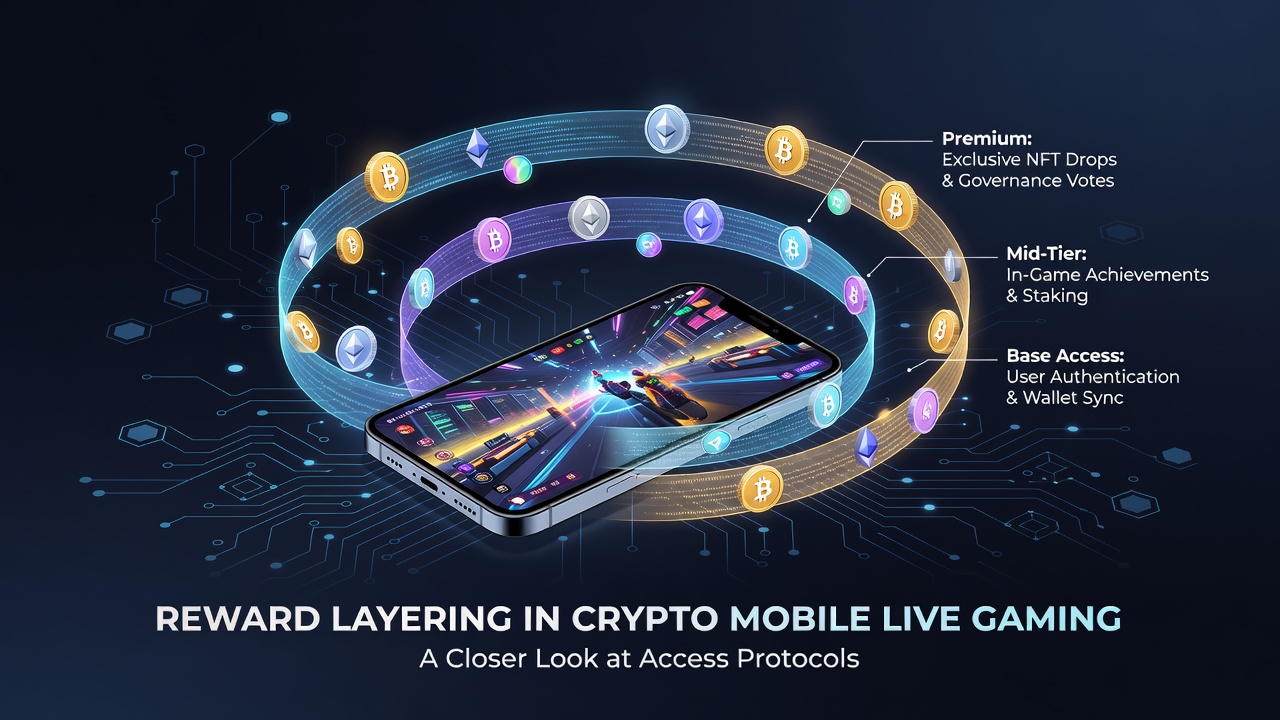
Reward Layering in Crypto Mobile Live Gaming: A Closer Look at Access Protocols
Reward layering in crypto mobile live gaming refers to the structured stacking of incentives across multiple protocol layers where players accumulate tokens, multipliers, and access rights through sequential actions in live dealer environments. Developers integrate these layers via smart contracts that verify each stage on blockchain networks before releasing the next set of benefits, and this approach has gained traction as mobile platforms handle higher volumes of real-time interactions during 2026.
Core Components of Reward Layering Systems
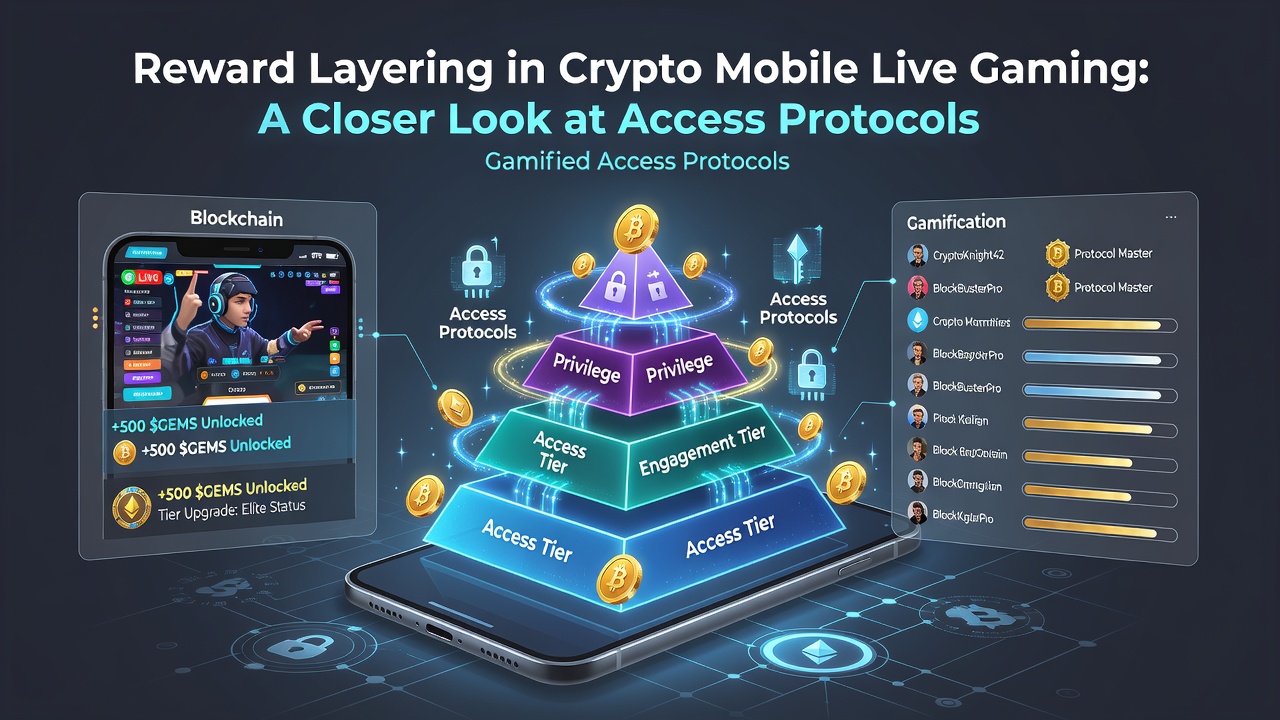
Each layer typically begins with an entry-level action such as account verification through wallet connection, followed by participation thresholds in live sessions that unlock secondary rewards like boosted payout rates or exclusive table access. Subsequent layers often require sustained engagement metrics, including consecutive logins or volume-based commitments, which trigger automated releases governed by predefined contract parameters. Observers note that this sequential design reduces immediate payout burdens while maintaining player retention through progressive unlocks that feel earned rather than granted outright.
Protocols enforce these stages using cryptographic signatures that confirm both the player's identity and the completion of prior conditions before advancing the reward state. Data from industry reports shows that platforms employing such layered models recorded participation increases of up to 40 percent in select mobile markets between early 2025 and mid-2026, particularly where live dealer streams combined with crypto settlement options.
Access Protocols and Their Technical Foundations
Access protocols serve as the gatekeepers that determine when and how users progress through reward layers, relying on multi-factor authentication that blends wallet signatures with session-based biometrics or device tokens. These systems operate on distributed ledgers where each protocol node validates the legitimacy of a player's advancement claim, preventing unauthorized jumps between layers without meeting the specified criteria. Researchers at institutions studying decentralized applications have documented how zero-knowledge proofs allow verification without exposing full transaction histories, which helps maintain privacy standards across mobile networks with variable connectivity.
One notable implementation involves time-bound challenges where players must complete live game rounds within set windows to activate the next reward tier, and these challenges integrate directly with the protocol's consensus mechanism to confirm outcomes on-chain. What's interesting is how this setup handles network latency on mobile devices by caching intermediate states locally until reconnection allows full synchronization with the main ledger.
Integration with Live Dealer Mechanics
Live gaming environments add complexity because real-time video feeds and dealer interactions must align with the timing of reward layer triggers, which protocols address through synchronized timestamps embedded in both the streaming infrastructure and the smart contract events. Players advance layers by meeting thresholds such as minimum bet volumes or specific outcome frequencies during dealer rounds, and the system records these achievements automatically without manual claims in many cases. Figures from technology audits indicate that successful synchronization rates exceed 95 percent on optimized 5G connections, though older networks sometimes experience brief desyncs that delay layer progression until the next verification cycle.
Platforms have adopted hybrid models where certain reward layers remain off-chain for speed while critical access rights get anchored on-chain for transparency. This balance supports the fluid pace required in live sessions, and experts have observed smoother user experiences when protocols prioritize mobile-first optimizations like reduced data payloads during layer status checks.
Regulatory and Security Considerations in 2026
By August 2026, several jurisdictions outside the UK had updated their frameworks around crypto gaming access protocols to emphasize audit trails for layered rewards, requiring operators to log every advancement event with verifiable timestamps. Agencies such as the Alcohol and Gaming Commission of Ontario have reviewed similar mechanisms in their markets, while industry groups like the Gaming Standards Association published guidelines on secure token handling that align with layered structures. Security protocols now routinely incorporate multi-signature requirements for high-value layer releases to mitigate risks from compromised mobile endpoints.
Those who've studied these developments point out that the combination of on-chain verification and off-chain speed creates resilient systems capable of scaling with growing mobile user bases, especially as live dealer crypto tables expand into new regions during the latter half of the year.
Conclusion
Reward layering combined with robust access protocols continues to shape how crypto integrates into mobile live gaming, providing structured pathways for player progression while leveraging blockchain for accountability. As platforms refine these elements through 2026 and beyond, the focus remains on technical reliability and alignment with evolving standards across different regulatory landscapes.