Promotional Keys Opening Routes to High-Limit Crypto Live Tables on Mobile Platforms
Written by Lars Braun · Aug 11, 2026
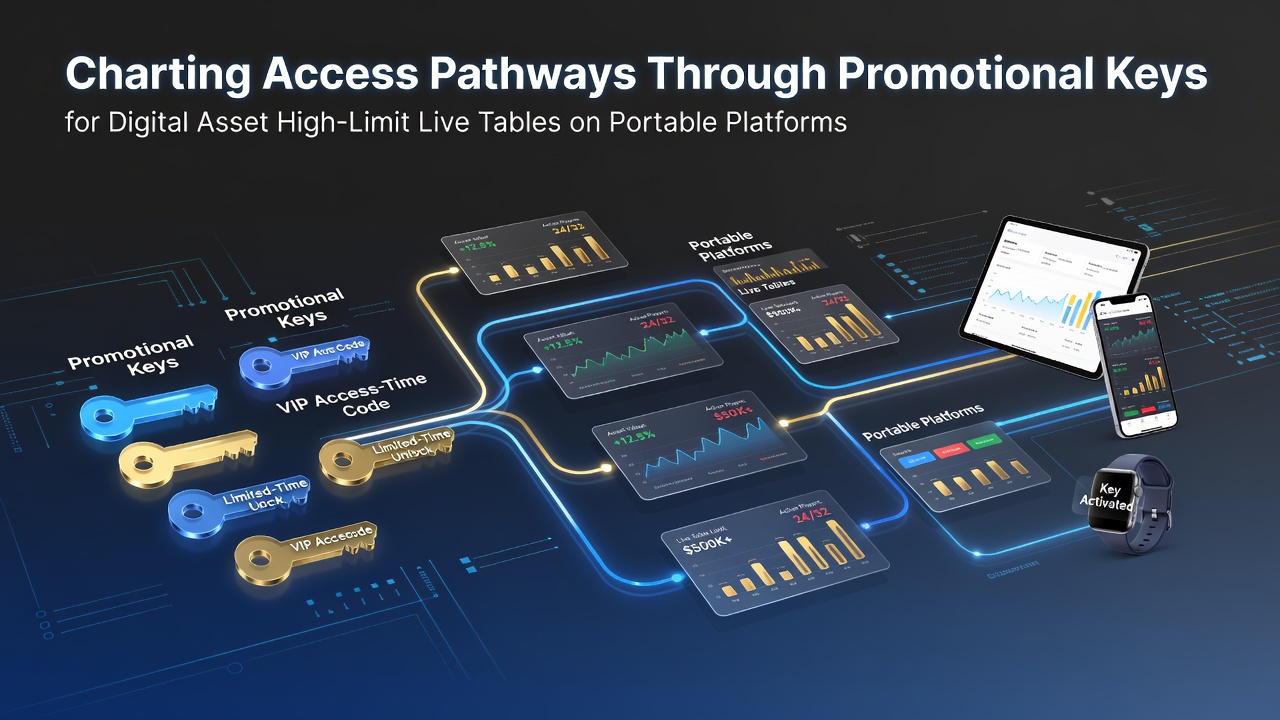
Promotional Keys Opening Routes to High-Limit Crypto Live Tables on Mobile Platforms
Promotional keys function as entry mechanisms that grant verified users passage to high-limit live dealer tables where digital assets serve as the primary currency on portable platforms, and these systems integrate encryption protocols with account verification layers to maintain compliance across multiple jurisdictions. Data from industry tracking services shows that such keys often combine alphanumeric strings with wallet authentication steps, which allows players to bypass standard deposit thresholds while accessing tables that require minimum stakes in cryptocurrency equivalents. Observers note that operators deploy these keys through targeted campaigns that align with wallet activity patterns, yet regulatory frameworks in regions like North America and Asia continue to shape how access gets distributed without direct involvement from any single oversight body.
Mechanics Behind Key Distribution and Table Access
Operators generate promotional keys through backend systems that link to player profiles and digital asset ledgers, and this process typically involves real-time validation against blockchain confirmations before unlocking elevated betting limits on live streams. Research from academic sources indicates that mobile applications handle the majority of these transactions because portable devices support instant push notifications and biometric logins that reduce friction during key redemption. One documented case from a North American operator revealed that keys distributed in coordinated batches during peak hours led to measurable increases in table occupancy without altering the underlying random number generation for card draws or wheel spins.
Yet the integration of these keys demands precise synchronization between the live dealer feed and the player's wallet balance, and any mismatch triggers automatic session termination to prevent unauthorized escalation of limits. Figures from gaming analytics platforms reveal that August 2026 saw a noticeable uptick in key-based entries for high-limit tables as mobile operating systems introduced enhanced support for multi-signature wallet approvals.
Regional Variations in Implementation Standards
European platforms tend to embed additional layers of identity checks before activating promotional keys for digital asset tables, whereas North American systems often prioritize speed through pre-approved wallet whitelists that connect directly to live dealer interfaces. According to data compiled by the National Council on Problem Gambling, cross-border usage of these keys on portable devices requires operators to maintain separate compliance records that track both fiat conversions and cryptocurrency flows. Australian regulatory updates from the same period emphasize that portable platform providers must log every key redemption event with timestamps tied to the originating IP address and device identifier.
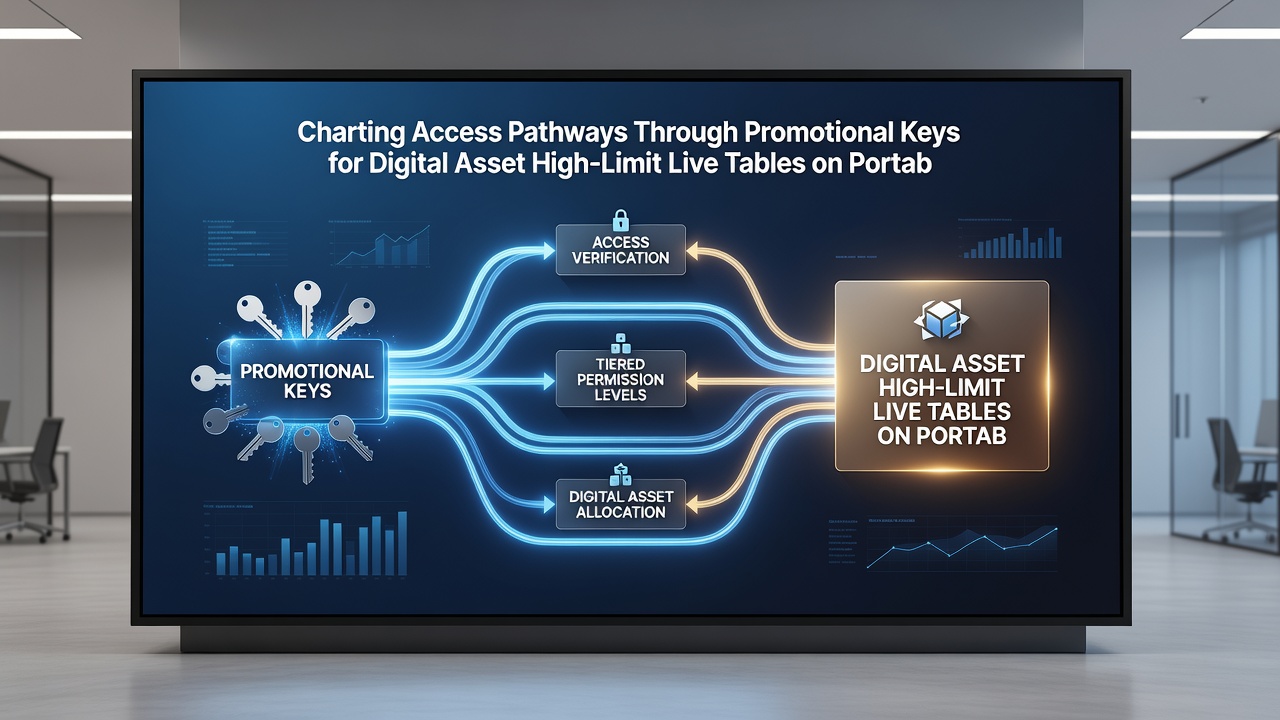
Those who monitor platform performance report that high-limit live tables using digital assets experience distinct traffic patterns when promotional keys circulate through affiliate networks, and these patterns often peak during evening hours across different time zones. The European Gaming and Betting Association published findings in mid-2026 that linked key redemption volume to improved retention metrics on mobile applications, although the report stressed that outcomes vary according to the specific cryptographic standards employed by each operator.
Security Protocols and Verification Layers
Security measures surrounding promotional keys incorporate multi-factor authentication that combines device fingerprinting with blockchain transaction hashes, and this combination reduces instances of key sharing across unauthorized accounts. Experts at research institutions have observed that portable platforms benefit from hardware-level encryption available in recent smartphone models, which strengthens the pathway between key activation and live table entry. Data indicates that operators who update their verification protocols quarterly maintain higher success rates for seamless access compared with those using static systems.
But here's the thing: even with robust encryption, the human element of key distribution through marketing channels introduces variables that require ongoing monitoring by compliance teams. Studies conducted by university-affiliated labs show that educational modules embedded within mobile applications help users understand the steps needed to redeem keys without triggering security flags during high-limit sessions.
Conclusion
Promotional keys continue to serve as structured pathways that connect digital asset holders with high-limit live tables on portable platforms, and ongoing developments in wallet technology alongside regulatory adjustments shape how these connections evolve. Industry reports from diverse regions underscore the importance of transparent logging and verification processes that support both player access and operational integrity across mobile environments.