Player Segmentation in Digital Casinos: Crafting Custom Reward Frameworks
Written by Avery Bennett · Aug 18, 2026
Player Segmentation in Digital Casinos: Crafting Custom Reward Frameworks
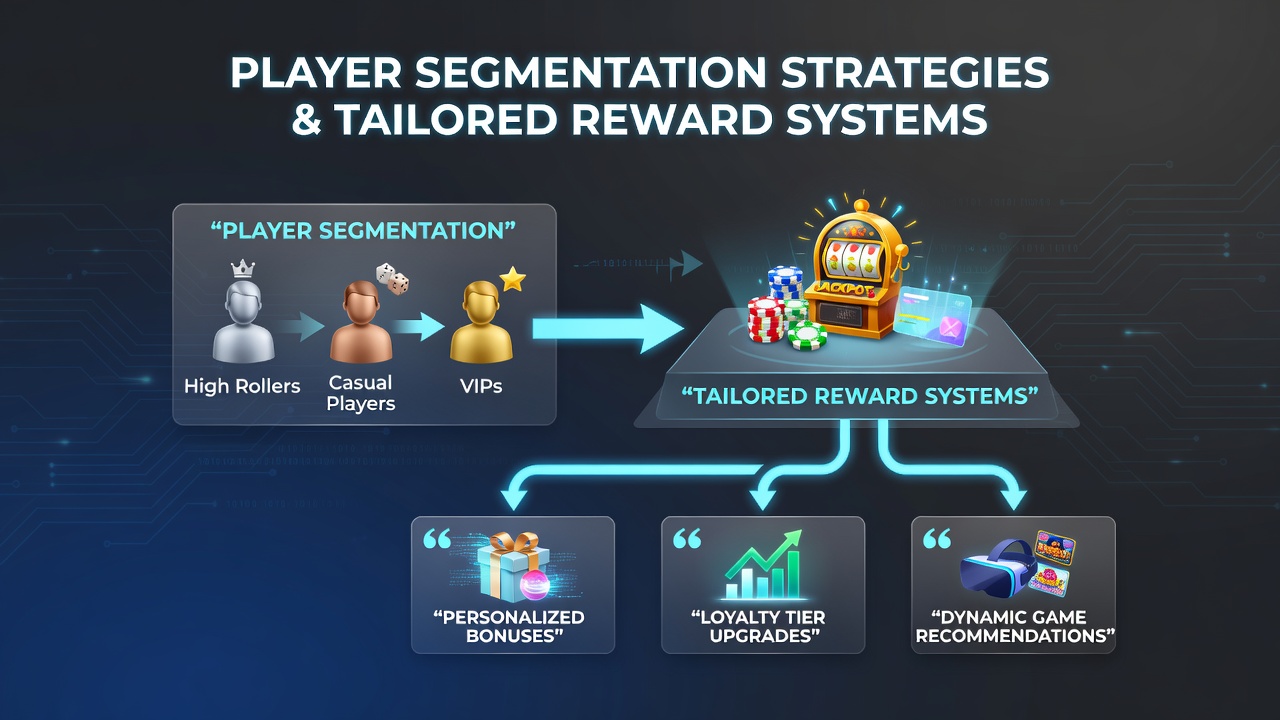
Digital casinos rely on player segmentation strategies to divide users into distinct groups based on behavior patterns, spending levels, and engagement metrics, which then guide the creation of tailored reward systems. These approaches draw from data collected across platforms and allow operators to deliver incentives such as personalized bonuses, free spins, and loyalty perks that match specific player profiles. Research indicates that segmentation improves retention rates because rewards align closely with individual preferences rather than applying uniform offers across all users.
Core Segmentation Methods Used in Online Gaming
Operators apply several segmentation techniques including recency, frequency, and monetary value analysis known as RFM modeling, which tracks how recently players engage, how often they return, and how much they wager. Behavioral segmentation further categorizes users by game preferences such as slots versus table games while demographic factors like age and location refine the groups even more. Psychographic segmentation examines motivations including thrill-seeking versus risk-averse tendencies and helps platforms adjust reward timing and types accordingly. According to a report from the American Gaming Association, platforms using multi-layered segmentation saw average session lengths increase by up to 18 percent in recent years.
Geographic segmentation plays a role too because regulatory environments differ across regions and influence available reward structures. For instance platforms serving North American markets often emphasize deposit-match bonuses for new segments while European operators focus more on free spin allocations tied to game volume. In August 2026 industry data revealed that casinos combining RFM with behavioral layers achieved higher conversion rates on reward redemptions compared to single-method approaches.
Influence on Tailored Reward Systems
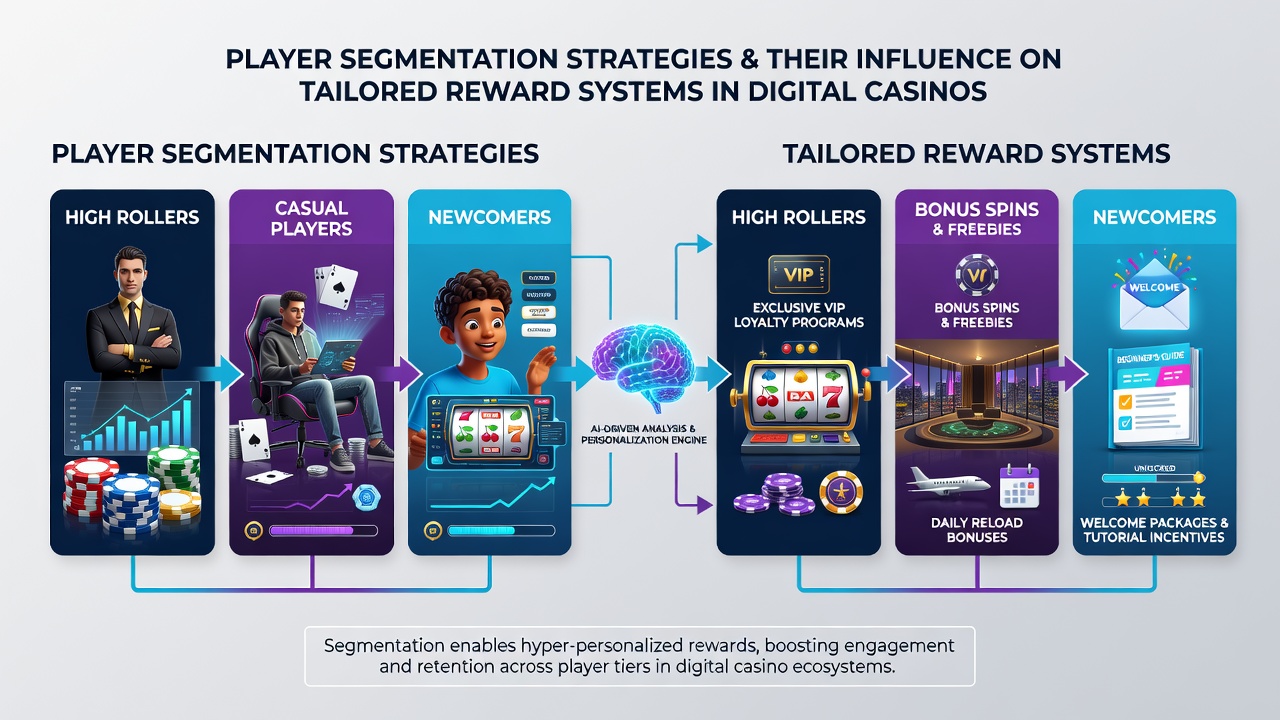
Segmentation directly shapes reward customization because high-value players identified through monetary metrics receive exclusive cashback programs and tiered loyalty points that escalate with continued play. Casual segments instead encounter entry-level free spins and deposit incentives designed to encourage initial deposits without overwhelming them with high-stakes options. Research from the University of Nevada Las Vegas shows that segmented reward delivery reduces churn by matching incentives to observed play patterns rather than generic promotions.
Dynamic segmentation updates occur in real time as player data streams in and this allows reward systems to shift categories quickly. A player moving from occasional spins to regular high-stakes sessions might transition from basic free spin offers to VIP-level reload bonuses within weeks. Such adaptability stems from algorithms that process live metrics and trigger appropriate rewards without manual intervention.
Implementation Examples Across Markets
One European operator applied cluster analysis to separate mobile users from desktop players and then tailored mobile-exclusive free spins for the former group while desktop users received table game cashback. This split produced measurable lifts in cross-platform engagement according to internal performance logs shared in industry briefings. Another example involves Australian platforms that segment by session duration and deliver time-limited bonus codes to short-session players to extend their activity windows.
Those who study these systems note that combining segmentation with A/B testing of reward variants further refines outcomes. Platforms test multiple bonus structures within the same segment and adopt the version showing stronger retention signals. Data from the Responsible Gambling Council in Canada highlights that such testing reduces ineffective reward spend while maintaining player satisfaction across tested cohorts.
Technological Enablers and Data Integration
Advanced analytics platforms integrate player data from multiple touchpoints including registration details, game history, and payment patterns to build accurate segments. Machine learning models predict future behavior within each segment and this prediction layer informs proactive reward offers before players disengage. Integration with customer relationship management tools ensures that email and in-app notifications carry segment-specific messages rather than broad campaigns.
Security protocols accompany these data flows because operators must comply with privacy regulations that vary by jurisdiction. Encryption and anonymization steps protect individual identities while still allowing aggregate segment analysis to proceed. Observers note that platforms investing in compliant data infrastructure maintain smoother operations when expanding reward personalization across borders.
Conclusion
Player segmentation strategies continue to evolve alongside advances in data processing and they exert measurable influence over how digital casinos construct and deliver tailored reward systems. By grouping users according to multiple criteria and updating those groups dynamically operators achieve more precise incentive matching that supports retention and engagement goals. As markets expand in 2026 and beyond the integration of segmentation with reward frameworks remains a central operational focus supported by ongoing research from academic and industry bodies across regions.