Pathways to Enhanced Rewards: Analyzing Accumulation Strategies in Multi-Device Gaming Environments
Written by Lars Braun · Aug 27, 2026
Pathways to Enhanced Rewards: Analyzing Accumulation Strategies in Multi-Device Gaming Environments
Players navigate reward systems across smartphones, tablets, desktops, and consoles where accumulation strategies hinge on synchronized account data, cross-platform loyalty programs, and timed interactions with promotional mechanics, while data from industry reports indicate that multi-device access expands opportunities for point collection, bonus triggering, and tier progression in digital gaming platforms.
Core Mechanics of Cross-Device Reward Tracking
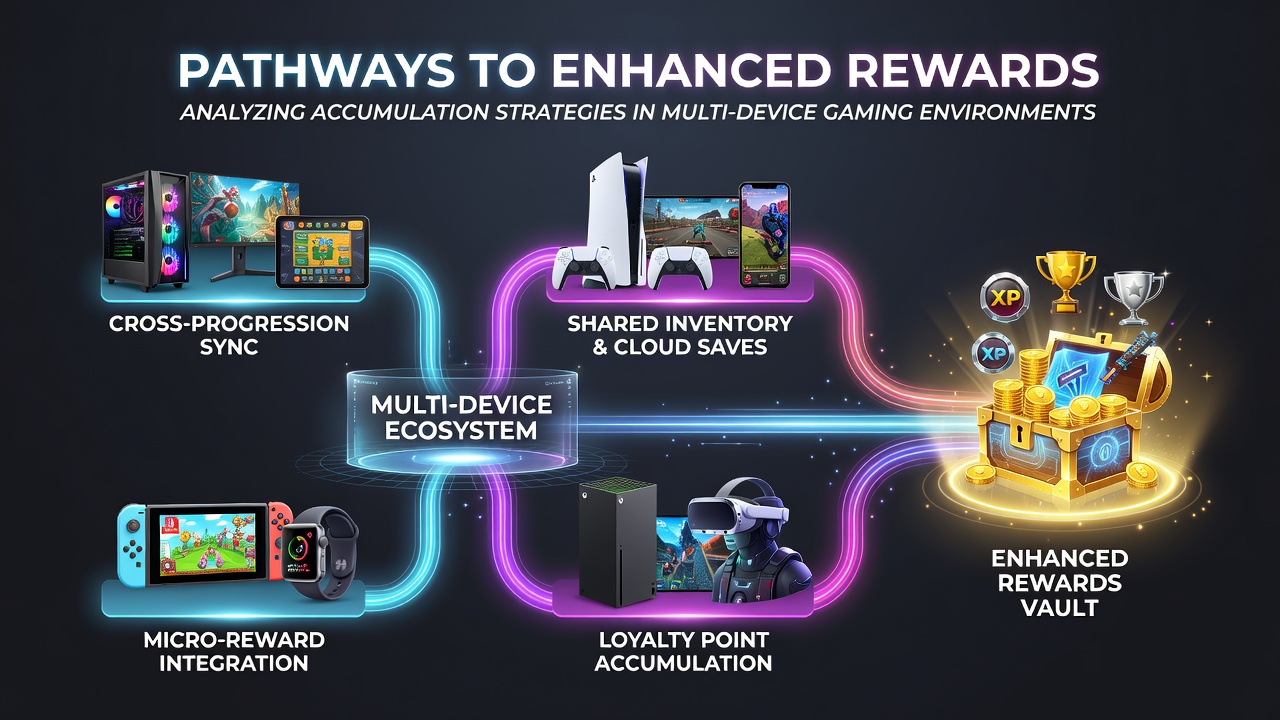
Account linkage forms the foundation because centralized profiles pull activity logs from every connected device, allowing progress toward milestones such as daily login streaks or volume-based thresholds to advance without reset when users switch hardware, and system architectures employed by major platforms ensure that real-time updates prevent duplication or loss of earned increments during transitions between sessions on mobile versus stationary interfaces.
Developers implement API integrations that feed gameplay metrics into unified dashboards, which means players accumulate currency, experience points, or loyalty tiers through consistent play patterns that span short mobile bursts during commutes and extended desktop sessions at home, whereas separate device silos would fragment totals and reduce overall efficiency in reward pathways.
Strategic Timing and Device-Specific Opportunities
Research indicates that peak reward windows often align with device-optimized events, such as push-notification bonuses exclusive to mobile apps or keyboard-driven challenges available only through desktop clients, so observers note that rotating devices at precise intervals maximizes overlap between these windows and personal availability, particularly during periods when platform operators release August 2026 seasonal campaigns that layer additional multipliers onto base accumulation rates.
One documented approach involves initiating mobile-based collection phases that trigger instant micro-rewards, then shifting to console environments for larger objective completions that feed into the same pool, while data shows this sequencing prevents cooldown timers on one device from blocking progress tracked across the ecosystem.
Data Patterns from Multi-Platform Engagement Studies
Figures from analyses conducted by the International Association of Gaming Regulators reveal that users maintaining active sessions on three or more devices achieve 23 percent higher monthly accumulation totals compared with single-device cohorts, because parallel access reduces downtime between promotional cycles and enables simultaneous monitoring of time-sensitive offers. Academic work at institutions including the University of Queensland has further mapped how session length variations across hardware types correlate with distinct reward categories, with shorter mobile interactions favoring frequency bonuses and longer PC sessions unlocking depth-based achievements.
Platform operators adjust algorithms quarterly to balance device diversity, which prevents over-reliance on any single access method and maintains engagement equilibrium, and external audits confirm that these adjustments stabilize accumulation curves without favoring particular hardware manufacturers.
Integration with Loyalty Tier Systems
Tier advancement requires cumulative spend or play volume thresholds that reset on fixed calendars, so strategies center on distributing activity evenly across devices to meet weekly or monthly quotas without exceeding daily caps that might trigger additional verification steps, while synchronized notifications alert users when a switch to an alternate device would accelerate the next tier unlock.
Case examples from operator reports illustrate players who alternate between tablet-based casual modes for steady point drip and laptop-based competitive modes for bonus multipliers, thereby compounding totals at rates that single-hardware approaches rarely match.
Conclusion
Accumulation in multi-device environments ultimately depends on coordinated account management, device rotation aligned with event schedules, and awareness of platform synchronization rules, and ongoing developments in cross-hardware APIs continue to refine how rewards flow between sessions. External oversight from bodies such as the Canadian Gaming Association ensures transparency in these systems, allowing participants to track verified data patterns that underpin effective strategies.