How Adherence to Legal Norms Influences the Distribution of Player Incentives in Digital Casino Systems
Written by Blake Lorenz · Sep 9, 2026
How Adherence to Legal Norms Influences the Distribution of Player Incentives in Digital Casino Systems
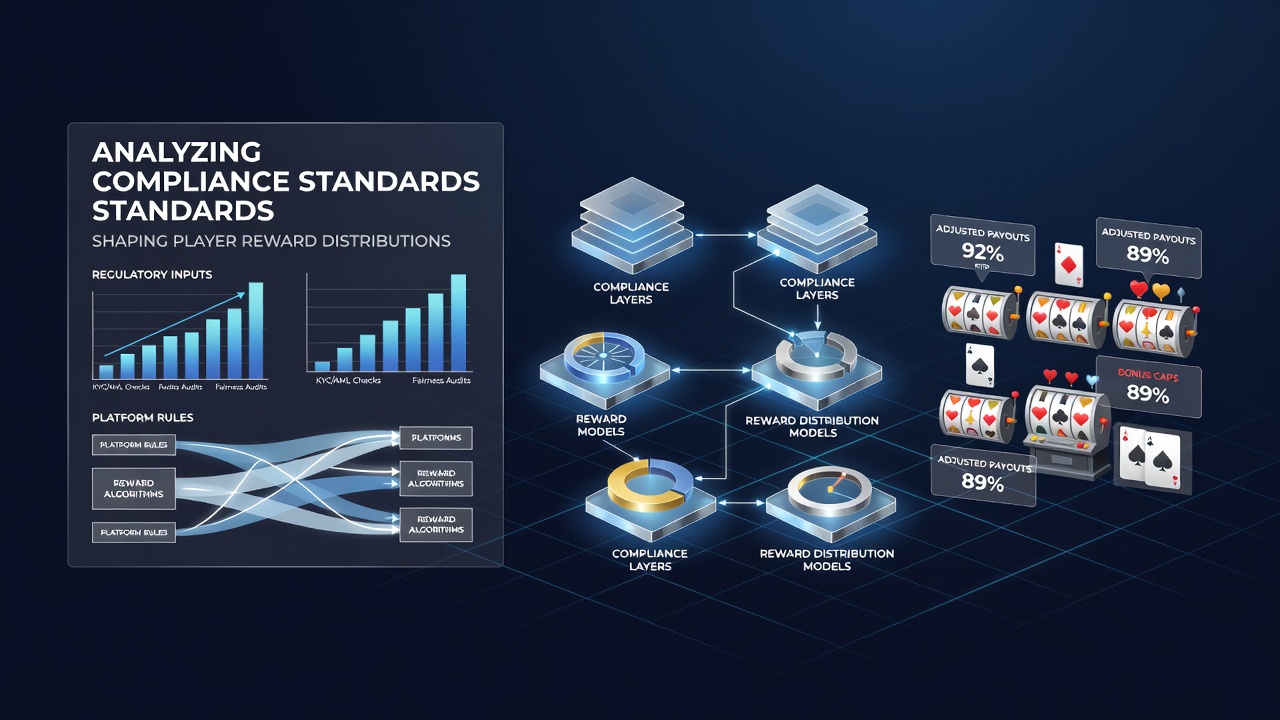
Regulatory frameworks around the world continue to define how digital casino platforms allocate rewards to players through structured rules on bonuses, loyalty programs, and promotional offers. These standards emerge from government agencies and industry bodies that focus on fairness, player protection, and financial transparency, which in turn shape the frequency, size, and eligibility criteria for incentives across various jurisdictions.
Operators must integrate requirements such as anti-money laundering checks and responsible gambling protocols into their systems before any reward distribution occurs. Data from licensing authorities shows that platforms operating under these rules often segment rewards based on verified player activity levels, with higher thresholds applied to larger bonuses to prevent misuse while maintaining operational compliance.
Key Regulatory Mechanisms Driving Reward Structures
Multiple oversight entities enforce guidelines that directly affect how rewards flow to users. For instance, the Nevada Gaming Control Board requires detailed reporting on promotional distributions, which leads platforms to adjust bonus caps and wagering conditions accordingly. Similar approaches appear in other regions where regulators monitor payout ratios tied to incentive programs to ensure they align with overall game fairness metrics.
Research from academic institutions like the University of Nevada indicates that compliance with know-your-customer procedures often results in delayed or tiered reward releases. Players who complete verification steps receive access to free spins or deposit matches at different rates compared to unverified accounts, creating a distribution pattern that prioritizes documented activity over rapid promotional access.
Regional Variations in Incentive Allocation
Platforms serving multiple markets adapt their reward models to satisfy local standards. In Canada, iGaming Ontario guidelines emphasize clear disclosure of bonus terms, which influences how operators structure loyalty point accumulations and redemption values. Meanwhile, Australian regulatory reports highlight restrictions on advertising high-value incentives, prompting platforms to limit visibility of certain rewards to compliant user segments only.
These differences produce varied outcomes. One study revealed that European operators following broader EU directives on consumer protection tend to spread smaller rewards across wider player bases, whereas North American systems often concentrate larger incentives among verified high-activity accounts under strict audit trails.

Impact on Specific Reward Types
Free spin offers and welcome packages undergo particular scrutiny. Compliance rules frequently mandate minimum playthrough requirements that extend across multiple game categories, which alters how these incentives reach different player demographics. Figures from industry reports show reduced maximum values on no-deposit bonuses in jurisdictions with tight oversight, shifting emphasis toward deposit-based rewards that allow better tracking of fund origins.
Loyalty programs face additional layers of control. Operators implement point expiration policies and activity thresholds to meet ongoing monitoring demands, leading to reward distributions that favor consistent participants who meet monthly engagement benchmarks. This pattern appears consistently in data collected across licensed platforms during 2026 updates.
September 2026 Developments and Platform Responses
Regulatory announcements scheduled for September 2026 from bodies like the Australian Communications and Media Authority are expected to introduce enhanced reporting on reward-related transactions. Platforms have begun preparing by refining algorithms that calculate bonus eligibility, incorporating real-time compliance flags that pause distributions until verification clears.
Observers note that these preparations often involve collaboration with third-party auditors who review distribution logs for adherence. Such processes result in more predictable yet segmented reward flows, where casual players encounter different incentive levels than those meeting stricter activity profiles.
Conclusion
Compliance standards continue to reshape reward distributions by imposing verification layers, value caps, and transparency requirements that operators integrate into their systems. Evidence from regulatory filings and academic analyses demonstrates measurable shifts in how bonuses and loyalty benefits reach players across global markets. These frameworks maintain consistent influence on platform operations while adapting to new reporting expectations in periods such as September 2026.